The Importance of Regular Physical Activity

Regular physical activity is crucial for maintaining both physical and mental well-being. Engaging in exercise helps to improve cardiovascular health, strengthen bones and muscles, manage weight, and reduce the risk of chronic diseases such as type 2 diabetes, heart disease, and certain types of cancer. Moreover, exercise has been shown to boost mood, reduce stress and anxiety, and improve sleep quality.
The World Health Organization recommends that adults engage in at least 150 minutes of moderate-intensity aerobic activity or 75 minutes of vigorous-intensity aerobic activity per week, or an equivalent combination. This can be broken down into smaller chunks throughout the week, such as 30 minutes of brisk walking five days a week. Additionally, it's important to incorporate strength training exercises that work all major muscle groups at least two days a week.
For optimal results, consider incorporating a variety of activities into your exercise routine, including aerobic exercises like running, swimming, or cycling, strength training exercises like weightlifting or bodyweight exercises, and flexibility exercises like stretching or yoga.
Effective Workout Routines for All Fitness Levels
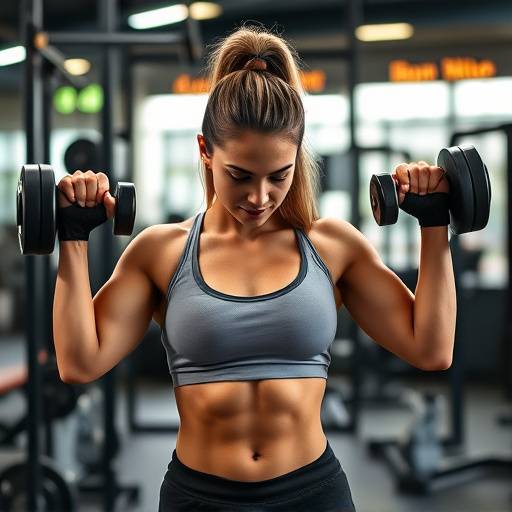
Whether you're a beginner or an experienced athlete, there's a workout routine that's right for you. It's essential to choose a routine that aligns with your fitness goals and abilities, and to gradually increase the intensity and duration of your workouts over time.
Beginner Workout Routine
-
Warm-up:
5 minutes of light cardio, such as jogging in place or jumping jacks
-
Cardio:
20-30 minutes of brisk walking, cycling, or swimming
-
Strength Training:
-
Squats: 3 sets of 10-12 repetitions
-
Push-ups (on knees if necessary): 3 sets of as many repetitions as possible
-
Lunges: 3 sets of 10-12 repetitions per leg
-
Plank: 3 sets, holding for 30-60 seconds
-
Cool-down:
5 minutes of stretching
Intermediate Workout Routine
-
Warm-up:
5 minutes of dynamic stretching, such as arm circles and leg swings
-
Cardio:
30-45 minutes of running, cycling, or swimming at a moderate intensity
-
Strength Training:
-
Barbell squats: 3 sets of 8-10 repetitions
-
Bench press: 3 sets of 8-10 repetitions
-
Deadlifts: 1 set of 5 repetitions, 1 set of 3 repetitions, 1 set of 1 repetition
-
Pull-ups (assisted if necessary): 3 sets of as many repetitions as possible
-
Cool-down:
5 minutes of static stretching, holding each stretch for 30 seconds
Advanced Workout Routine
-
Warm-up:
5 minutes of dynamic stretching and mobility exercises
-
Cardio:
45-60 minutes of high-intensity interval training (HIIT) or endurance training
-
Strength Training:
-
Olympic lifts (e.g., snatch, clean and jerk): Multiple sets of low repetitions
-
Plyometrics (e.g., box jumps, jump squats): 3 sets of 8-12 repetitions
-
Complex exercises (e.g., thrusters, burpees): 3 sets of 10-15 repetitions
-
Cool-down:
10 minutes of static stretching and foam rolling
Fitness Tips for a Healthier Lifestyle
Achieving a healthier lifestyle through fitness requires more than just hitting the gym occasionally. Consistency, proper technique, and a holistic approach are key. Here are some essential fitness tips to help you on your journey:
-
Set Realistic Goals:
Start with small, achievable goals and gradually increase the intensity and duration of your workouts.
-
Stay Hydrated:
Drink plenty of water before, during, and after exercise to maintain optimal performance and prevent dehydration.
-
Warm-Up and Cool-Down:
Always warm up before each workout to prepare your muscles and cool down afterward to prevent soreness and injury.
-
Use Proper Form:
Focus on maintaining proper form during exercises to maximize results and minimize the risk of injury. Consider consulting with a certified personal trainer to learn proper technique.
-
Listen to Your Body:
Pay attention to your body's signals and rest when you need to. Overtraining can lead to injuries and burnout.
-
Vary Your Workouts:
Mix up your exercise routine to prevent boredom and challenge different muscle groups.
-
Fuel Your Body:
Eat a balanced diet that provides adequate energy and nutrients to support your workouts.
-
Get Enough Sleep:
Aim for 7-9 hours of sleep per night to allow your body to recover and rebuild muscle tissue.
-
Stay Consistent:
Make exercise a regular part of your routine to maintain long-term results.
-
Find an Exercise Buddy:
Working out with a friend can help you stay motivated and accountable.
-
Make it Enjoyable:
Choose activities that you enjoy to make exercise a sustainable part of your lifestyle. Whether it's dancing, hiking, or playing sports, find something that you look forward to.
Remember, fitness is a journey, not a destination. Be patient with yourself, celebrate your progress, and enjoy the process of becoming a healthier and more active version of yourself.
Choosing the Right Exercise Equipment for Your Home Gym
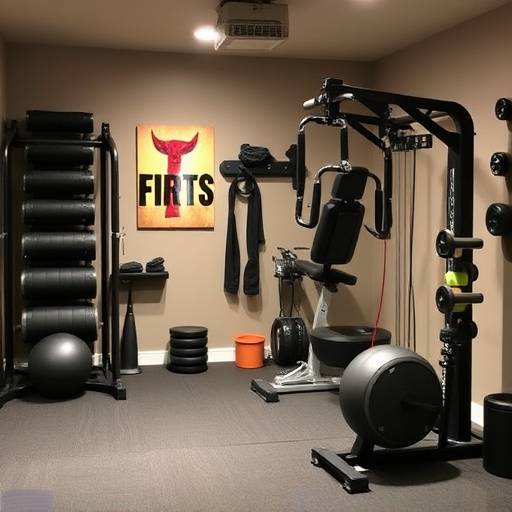
Creating a home gym can be a convenient way to achieve your fitness goals without the need for a gym membership. However, selecting the right equipment can be overwhelming. Here are some factors to consider when building your home gym:
-
Your Fitness Goals:
Determine your primary fitness goals, such as weight loss, muscle gain, or improved cardiovascular health, and choose equipment that aligns with those goals.
-
Available Space:
Assess the amount of space you have available and select equipment that fits comfortably without overcrowding the area.
-
Budget:
Set a budget and prioritize equipment based on your needs and available resources.
-
Versatility:
Opt for versatile equipment that can be used for multiple exercises, such as adjustable dumbbells, resistance bands, or a suspension trainer.
-
Durability:
Choose high-quality equipment that is built to last and can withstand regular use.
-
Safety:
Ensure that the equipment is safe to use and has appropriate safety features, such as non-slip surfaces and adjustable settings.
Some popular options for home gym equipment include:
-
Treadmill:
Ideal for cardiovascular exercise and can be used for walking, jogging, or running.
-
Elliptical:
Provides a low-impact workout that is gentle on the joints.
-
Stationary Bike:
Another great option for cardiovascular exercise that can be used for both endurance and interval training.
-
Dumbbells and Kettlebells:
Versatile tools for strength training that can be used for a wide range of exercises.
-
Resistance Bands:
Portable and affordable tools for adding resistance to your workouts.
-
Weight Bench:
Provides support and stability for various strength training exercises.
-
Yoga Mat:
Essential for yoga, Pilates, and stretching exercises.
Before purchasing any equipment, do your research and read reviews to ensure that you're making a wise investment. Consider starting with a few essential pieces of equipment and gradually adding more as your fitness needs evolve.