The Importance of Balanced Nutrition
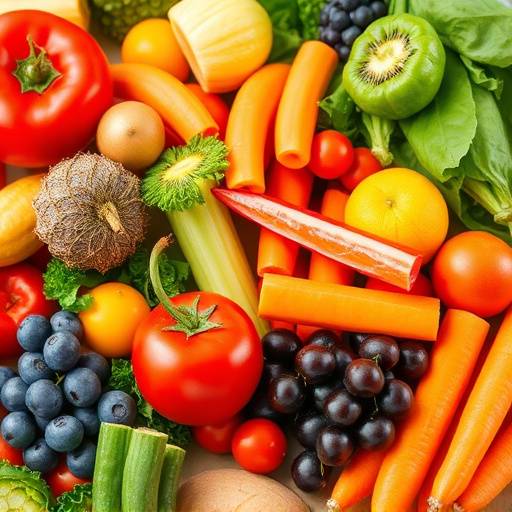
A balanced diet is the cornerstone of a healthy lifestyle. It provides your body with the essential nutrients it needs to function optimally, preventing chronic diseases and promoting overall well-being. At Vitality Hub, we believe that understanding nutrition is key to unlocking your full potential. Eating a variety of foods from all food groups ensures you receive a wide range of vitamins, minerals, and antioxidants, which are vital for maintaining energy levels, supporting immune function, and repairing tissues.
A well-balanced diet typically includes fruits, vegetables, whole grains, lean proteins, and healthy fats. Each of these components plays a unique role in supporting bodily functions. For instance, fruits and vegetables are rich in vitamins and fiber, whole grains provide sustained energy, lean proteins are essential for muscle building and repair, and healthy fats support brain function and hormone production.
Ignoring the principles of balanced nutrition can lead to several health problems, including nutrient deficiencies, weakened immune system, increased risk of chronic diseases such as heart disease, diabetes, and obesity. Therefore, it is crucial to make informed food choices and prioritize a balanced diet that meets your individual needs.
Decoding the Nutrition Pyramid
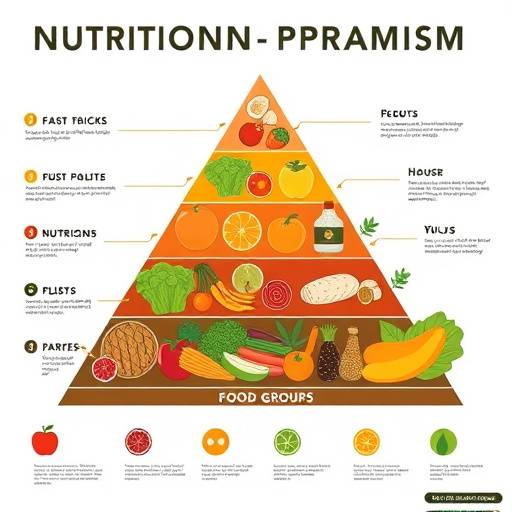
The nutrition pyramid is a visual guide that helps you understand the recommended proportions of different food groups for a balanced diet. At the base of the pyramid are foods that should be consumed in the largest quantities, such as whole grains, while at the top are foods that should be consumed sparingly, like fats and sweets. This structure provides a clear and simple framework for making healthy food choices.
Understanding the different levels of the pyramid can help you prioritize nutrient-dense foods and limit your intake of less healthy options. For example, focusing on whole grains, fruits, and vegetables as the foundation of your diet ensures you receive ample fiber, vitamins, and minerals. Incorporating lean proteins and healthy fats in moderation supports muscle growth, hormone production, and overall health.
It's important to note that the nutrition pyramid is not a one-size-fits-all solution. Individual dietary needs may vary based on factors such as age, gender, activity level, and health conditions. Consulting with a registered dietitian or healthcare professional can help you tailor the pyramid to your specific requirements and create a personalized nutrition plan.
Quinoa Salad with Roasted Vegetables

A delicious and nutritious salad packed with protein and fiber.
Ingredients:
-
1 cup quinoa, cooked
-
1 red bell pepper, roasted and diced
-
1 yellow bell pepper, roasted and diced
-
1 zucchini, roasted and diced
-
1 cup cherry tomatoes, halved
-
1/4 cup red onion, finely chopped
-
2 tablespoons olive oil
-
1 tablespoon lemon juice
-
Salt and pepper to taste
Instructions:
-
Combine cooked quinoa, roasted vegetables, red onion, and cherry tomatoes in a large bowl.
-
In a small bowl, whisk together olive oil, lemon juice, salt, and pepper.
-
Pour dressing over the salad and toss gently to combine.
-
Serve chilled or at room temperature.
Hydrate Regularly
Drinking enough water is crucial for maintaining optimal health. Aim for at least 8 glasses of water per day to stay hydrated and support bodily functions.
Plan Your Meals
Planning your meals in advance can help you make healthier food choices and avoid impulse eating. Take some time each week to plan your meals and create a grocery list.
Superfoods: Myth or Magic?
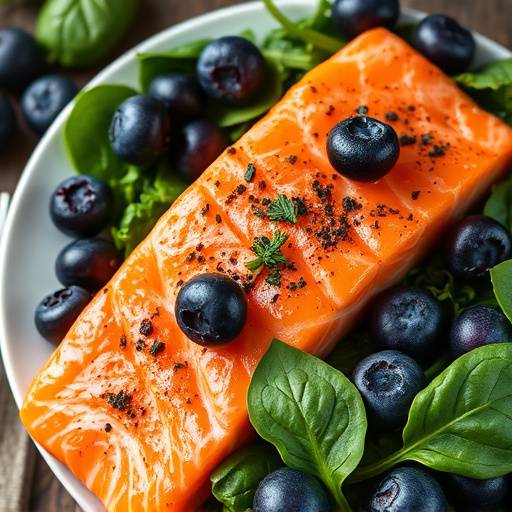
The term "superfood" is often used to describe foods that are nutrient-rich and offer exceptional health benefits. While there's no official definition, superfoods are generally packed with antioxidants, vitamins, and minerals that can protect against chronic diseases and promote overall well-being. Popular superfoods include blueberries, spinach, kale, salmon, and chia seeds.
While superfoods can be a valuable addition to a healthy diet, it's important to remember that no single food can provide all the nutrients you need. A balanced diet that includes a variety of fruits, vegetables, whole grains, and lean proteins is essential for optimal health. Superfoods can complement this foundation by providing additional nutrients and health benefits.
Incorporating superfoods into your diet can be as simple as adding blueberries to your morning oatmeal, snacking on almonds, or including spinach in your salads. By making small, sustainable changes, you can reap the benefits of these nutrient-rich foods without overhauling your entire diet.
The Role of Macronutrients
Macronutrients are the essential building blocks of our diet, providing the energy and nutrients our bodies need to function. The three main macronutrients are carbohydrates, proteins, and fats, each playing a unique role in supporting overall health.
Carbohydrates are the primary source of energy for the body, fueling our muscles and brain. They come in two forms: simple and complex. Simple carbohydrates, found in sugary foods and drinks, provide a quick burst of energy but can lead to energy crashes. Complex carbohydrates, found in whole grains, fruits, and vegetables, provide sustained energy and are rich in fiber.
Proteins are essential for building and repairing tissues, supporting immune function, and producing enzymes and hormones. They are made up of amino acids, some of which our bodies cannot produce and must obtain from food. Good sources of protein include lean meats, poultry, fish, beans, lentils, and tofu.
Fats are crucial for brain function, hormone production, and the absorption of fat-soluble vitamins. They come in various forms, including saturated, unsaturated, and trans fats. Unsaturated fats, found in olive oil, avocados, and nuts, are considered healthy fats and can help lower cholesterol levels. Saturated and trans fats, found in processed foods and red meat, should be consumed in moderation.
Micronutrients: The Unsung Heroes
Micronutrients, including vitamins and minerals, are essential for a wide range of bodily functions. While they are needed in smaller quantities than macronutrients, they play a crucial role in supporting immune function, bone health, energy production, and overall well-being.
Vitamins are organic compounds that our bodies need to function properly. They are classified as either water-soluble (vitamins C and B) or fat-soluble (vitamins A, D, E, and K). Water-soluble vitamins are not stored in the body and need to be consumed regularly, while fat-soluble vitamins are stored in the liver and fatty tissues.
Minerals are inorganic substances that are essential for various bodily functions. They include calcium, iron, potassium, magnesium, and zinc. Calcium is important for bone health, iron is essential for oxygen transport, potassium helps regulate blood pressure, magnesium supports muscle and nerve function, and zinc boosts immune function.
Consuming a variety of nutrient-dense foods is the best way to ensure you are getting enough vitamins and minerals. Fruits, vegetables, whole grains, lean proteins, and dairy products are all excellent sources of micronutrients. In some cases, supplementation may be necessary to address specific nutrient deficiencies, but it's important to consult with a healthcare professional before taking any supplements.
Navigating Food Labels
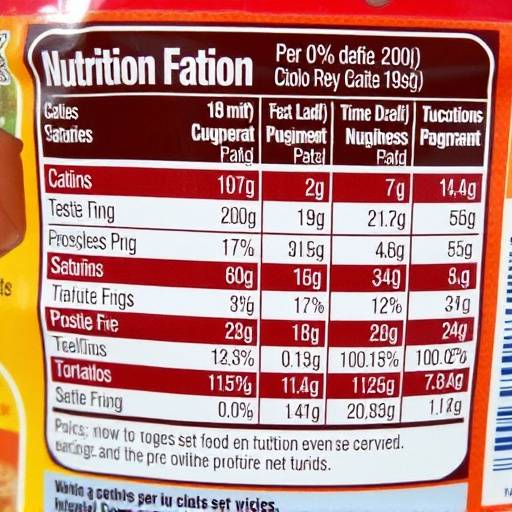
Understanding how to read food labels is an essential skill for making informed food choices. Food labels provide valuable information about the nutritional content of packaged foods, including serving size, calories, macronutrients, micronutrients, and ingredients.
When reading a food label, start by paying attention to the serving size. All the nutritional information listed on the label is based on this serving size, so it's important to know how much you are actually consuming. Next, check the calorie count to ensure you are staying within your daily calorie goals. Pay attention to the macronutrient content, including carbohydrates, proteins, and fats, and choose foods that align with your dietary needs.
The ingredient list is also an important part of the food label. Ingredients are listed in descending order by weight, so the first few ingredients make up the largest proportion of the product. Look for foods that are made with whole, unprocessed ingredients and avoid products that are high in added sugars, unhealthy fats, and artificial additives.
Vitality Hub encourages everyone to become savvy food label readers to empower healthier eating habits.
Recommended Daily Intake of Key Nutrients
|
Nutrient
|
Recommended Daily Intake
|
Sources
|
|
Vitamin C
|
75-90 mg
|
Citrus fruits, berries, bell peppers
|
|
Vitamin D
|
600 IU
|
Fortified milk, fatty fish, sunlight
|
|
Calcium
|
1000-1200 mg
|
Dairy products, leafy greens, fortified foods
|
|
Iron
|
8-18 mg
|
Red meat, beans, spinach
|
|
Fiber
|
25-38 g
|
Whole grains, fruits, vegetables
|
Disclaimer: The information provided on this page is for general knowledge and informational purposes only, and does not constitute medical advice. It is essential to consult with a qualified healthcare professional or registered dietitian for any health concerns or before making any dietary changes. Individual dietary needs may vary, and personalized advice is crucial for optimal health and well-being.